
Dartmouth Precollege Online Program — Applied Math: Decode the World with Models
How is math used to solve real-world problems? Explore the power of applied math to understand how experts drive innovation in science and industry. Going beyond a typical high school math course, you will learn how models are used to simplify complex systems and use mathematical reasoning to question claims encountered in daily life. Build practical skills for careers in engineering, business, and more, and discover how to interpret the world with confidence.
Program Dates
Multi-length sessions available throughout the year
Eligibility
For students ages 13 and up
Individual Course Fees
$1,895
See the World Through the Lens of Applied Math
Choose the Right Tool for Complex Problems
Compare how mathematical models and statistical tools tackle different real-world questions. Decide if a problem needs statistics, data, or both to find a solid answer.
The Story Behind the Numbers
Organize complex information into clear tables and measures to find important patterns. Use Fermi reasoning and descriptive statistics to check if claims are actually plausible.
Calculate Risk and Predict Future Outcomes
Explore how chance forms the foundation for prediction algorithms using sample spaces and tree diagrams. Interpret expected values and run simulations to see how probability defines fairness in automated decisions.
Translate the World Into Functional Equations
Create mathematical models using variables and units to represent complex situations. Check the limits of your assumptions to test ideas and explain your thinking clearly.
Decipher the Truth in Global Trends
Interpret margins of error and confidence intervals to gauge the reliability of various population studies. Evaluate claims critically by judging the strength of evidence and accounting for bias.
Investigate a Real World Question
Create a capstone project that applies mathematical modeling and statistical analysis to a topic of your choice. Think about how these tools inform real-world understanding and foster independent, critical thinking.

How You Will Benefit
- Build skills in translating complex real-world situations into mathematical models to make predictions and inform critical decision-making.
- Gain insights into how to identify whether a problem requires mathematical modeling, statistical analysis, or a combination of both to reach a solution.
- Learn from Dartmouth faculty to evaluate quantitative claims critically and recognize the role of uncertainty and bias in data.
- Discover a variety of diverse career paths in fields like engineering, data science, economics, and business.
- Complete a Final Capstone Project to demonstrate what you’ve learned.
- Earn a Certificate of Completion from Dartmouth.
Three Learning Advantages Designed for You
Final Capstone Project
This course concludes with a final capstone project where you can:
- Investigate a real-world question using both mathematical modeling and statistical analysis.
- Utilize credible data sources to construct a model, test assumptions, and evaluate the reliability and limitations of your findings.
- Evaluate how mathematical frameworks inform our understanding of the world and foster critical thinking toward quantitative claims.
Mentoring
Gain support from an expert mentor who’ll help answer questions and enrich your experience. Here’s what to expect:
- Expertise in the field of applied mathematics.
- Encouragement and direction on all assignments.
- Inspiration, motivation and confidence to help you succeed.
- Brainstorming to help you prepare for your final capstone project.
Flexible Learning
- 100% online learning that works with your schedule.
- Enjoy flexible, engaging video lessons that you can watch whenever it’s convenient for you.
- Multiple courses can be taken to maximize your learning experience.
- 20 to 30 hours of total instruction and activities per course, including multimedia, simulations, and curated assignments for which you will receive guidance and support from mentors.
Apply Now for the Next Available Course
Hear From Dartmouth College
Course Designed by Dartmouth Instructors
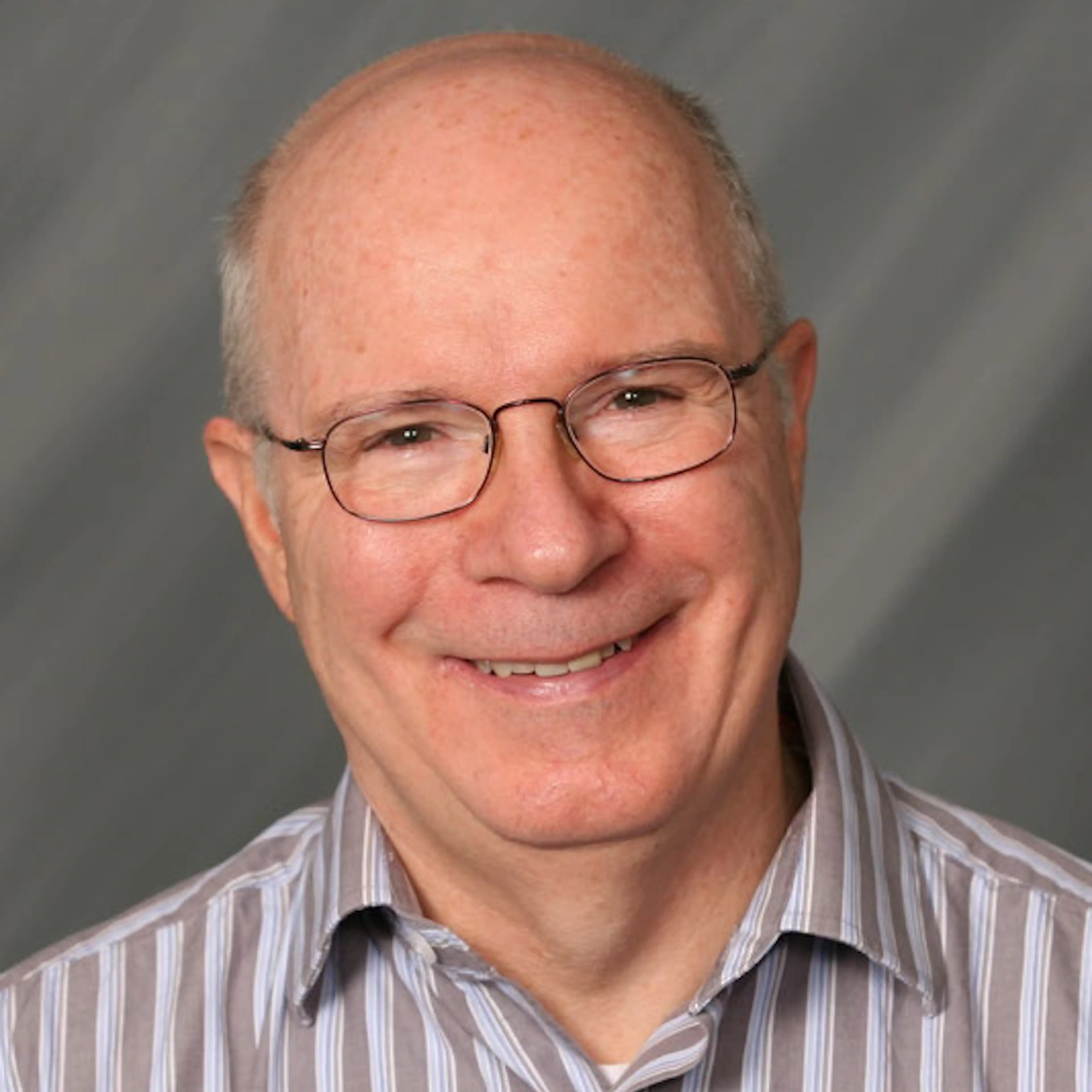
Ronald Lasky, PhD
Professor of Engineering, Thayer School of Engineering at Dartmouth College
In addition to his role at Dartmouth, Ron is a Senior Technologist at Indium Corporation and a Consultant with ITM. He has over 30 years of experience in electronic and optoelectronic packaging and assembly at IBM, Universal Instruments and Cookson Electronics. He has authored or edited 7 books on science, electronics, and optoelectronics and numerous technical papers and authored articles for Scientific American. Dr. Lasky is the developer of several new concepts in SMT processing software relating to cost estimating, line balancing and process optimization. He is a licensed professional engineer and a Lean Six Sigma Master Black Belt.
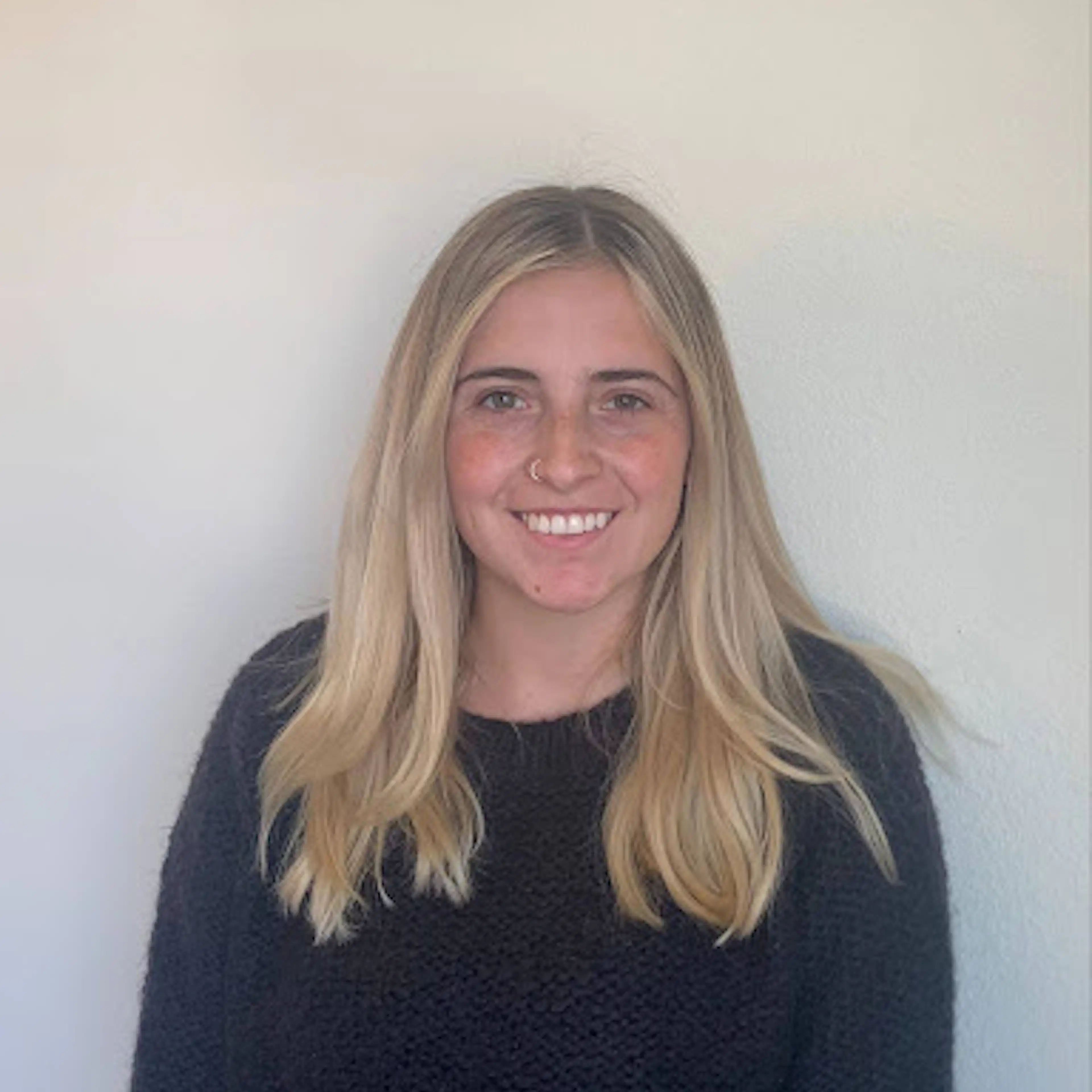
Savannah Byron
PhD Candidate
Savannah Byron is a second-year graduate student at the Thayer School of Engineering at Dartmouth College. Her interdisciplinary experience in Environmental Science and Optical Engineering is backed by extensive field research with the Los Alamos National Laboratory. Having conducted atmospheric data campaigns across the nation and in Australia, she is well-versed at translating high-resolution field data into mathematical models. This "boots-on-the-ground" experience allows her to address intricate mathematical challenges and effectively mentor peers in quantitative approaches.

How To Apply:
It’s easy. No transcripts or letters of recommendation are required. Just provide some basic information and tell us why you wish to take this program.
Note: Please submit all application materials in English.
Begin the guided application process. It should take only a few minutes of your time to answer the questions.
Want to Know More?
Sign up for more information and we’ll be in touch.
Admissions
Our application process is easy. You can expect a prompt decision.
Frequently Asked Questions
How will you be graded? What are assignments like? When do you find out if you're admitted? Find answers to your questions here.
Scholarships
We offer need-based scholarships for participating students who exhibit high potential and an inability to pay the full tuition.
- If you haven’t applied to the program, apply here. After submitting your application, click “Apply for a need-based scholarship” on the confirmation page to request a scholarship.
- If you’ve already applied to the program, sign in to your profile to check your scholarship status. If you don't have a scholarship request on file, click “Apply for a need-based scholarship” to request a scholarship.